
In the previous article, we explored the transition of fasteners in power equipment from metal to engineering plastics, along with key electrical standards. In this article, we further examine commonly used engineering plastics for power applications — from technical specifications to typical application scenarios — to help you select the most suitable materials in complex engineering environments.
Part 1: Transformation of Power Equipment Fasteners: Selection Logic from Metal to Engineering Plastics
Part 2: Engineering Plastics for Power Applications: From Material Specifications to Typical Uses
Part 3: Case Study: Reliability Evaluation of Engineering Plastics in Transformer Oil Environments
Based on different requirements for mechanical strength and chemical resistance, commonly used materials can be categorized as follows:
| Material Name | Screw Photo | Key Properties & Applications |
| PA66 (Polyamide / Nylon) | 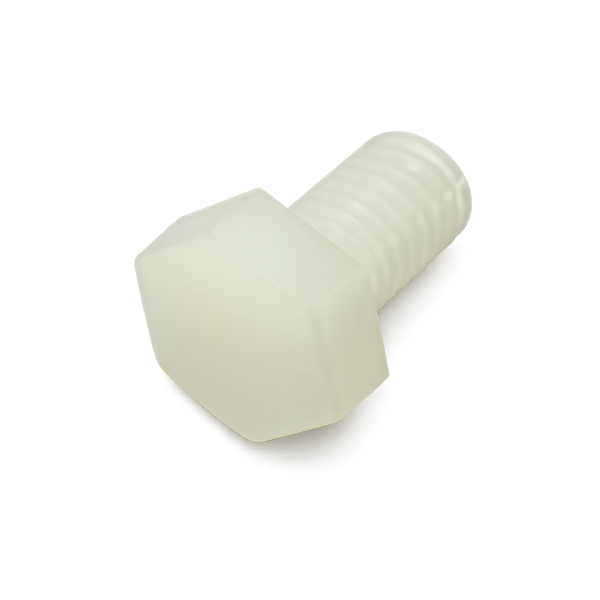 |
Key Properties: Good toughness, excellent fatigue resistance, cost-effective. Applications: Internal supports in distribution panels, cable clamps, low-voltage insulation fasteners. |
| PC (Polycarbonate) |  |
Key Properties: High transparency, strong impact resistance, excellent electrical insulation. Applications: Transparent covers for circuit breakers, fastening components for observation windows. |
| PPS (Polyphenylene Sulfide) | 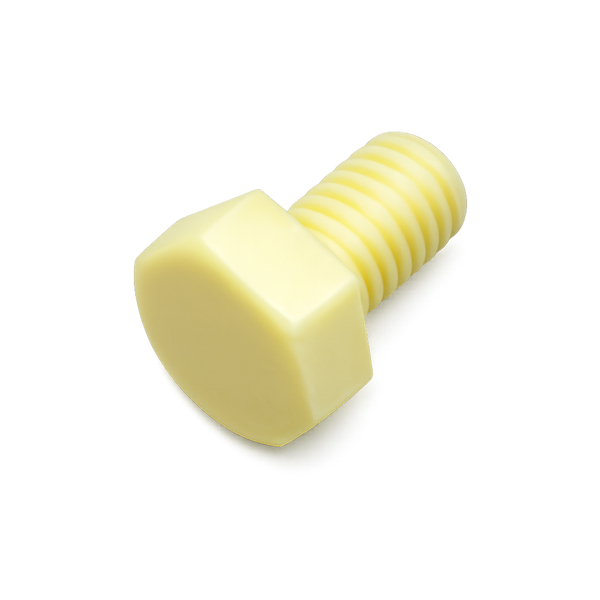 |
Key Properties: Extreme heat resistance (200°C+), chemical resistance, UL94 V-0 flame retardancy. Applications: Transformer oil environments, high-power module structures, high-temperature PCB fastening. |
| PEEK (Polyether Ether Ketone) | 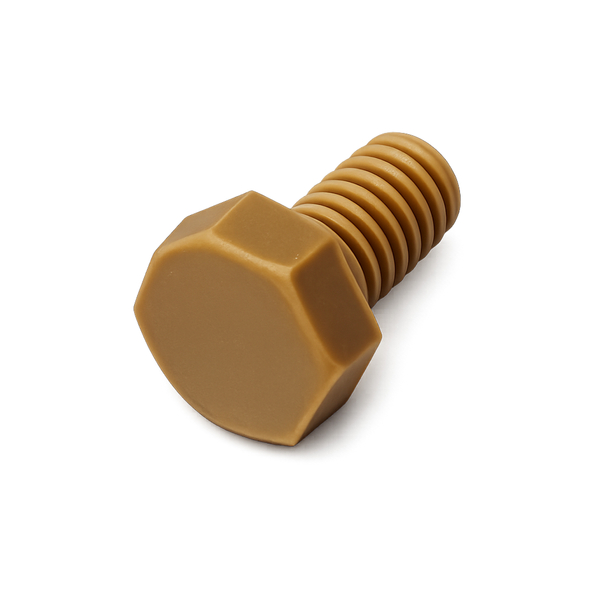 |
Key Properties: Exceptional mechanical strength, chemical resistance, radiation resistance, wide temperature range. Applications: Aerospace power systems, high-vacuum electrical environments, core components in solid-state transformers (SST). |
| PVDF (Polyvinylidene Fluoride) | 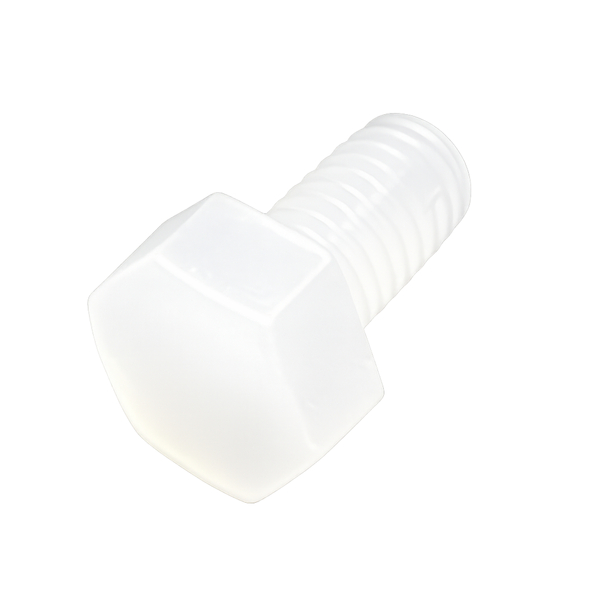 |
Key Properties: Excellent weather resistance, strong acid/alkali resistance, very low moisture absorption. Applications: Outdoor ESS enclosure seals, chemical plant power systems. |
| PTFE (Polytetrafluoroethylene / Teflon) |  |
Key Properties: Extremely low dielectric loss, high temperature resistance (up to 260°C), excellent non-stick properties. Applications: High-frequency communication equipment, microwave components, ultra-high-frequency inverter insulation. |
| PEI (Polyetherimide) |  |
Key Properties: High dielectric strength, excellent creep resistance, radiation resistance. Applications: Aerospace distribution panels, high-voltage motor insulation supports, medical power equipment. |
| RENY (High-Strength Polyamide) |  |
Key Properties: "Steel-like" plastic with tensile strength approaching certain aluminum alloys. Applications: High mechanical load positions where metal fasteners must be replaced to eliminate induced currents. |
👉 Link Upon Advanced Material Corp. — Plastic Screws, Nuts, and Washers Selection Guide
(https://www.linkupon.com/en-gb/plastic_screw_nut_linkupon)
Material Selection Considerations for Extreme Environments
For demanding conditions, the following factors should be carefully evaluated:
- PPS vs. PEEK: PPS offers excellent arc resistance, minimizing the formation of conductive carbonized paths under high-voltage conditions. PEEK is preferred for critical components requiring superior creep resistance.
- Low dielectric loss of PTFE: According to ASTM D150, PTFE exhibits an extremely low dissipation factor, effectively preventing heat buildup from dielectric losses in high-frequency environments. (Ref.6)
- Balanced performance of PVDF: PVDF achieves a balance between mechanical strength and processing efficiency. Compared to PTFE, it is less prone to cold flow deformation and is suitable for mass production via injection molding.
While each material offers distinct advantages under ambient conditions, how do they perform in high-temperature oil immersion environments? In the next article, we will present laboratory test data under 120°C transformer oil conditions to evaluate their physical and mechanical stability.
Ref.1: IEC 60664-1 — Insulation coordination for equipment within low-voltage systems. This standard explains how insulation material classification (such as CTI – Comparative Tracking Index) can reduce the required distance between conductive parts. Selecting engineering plastic fasteners with a high CTI rating can effectively reduce creepage distance requirements within power modules, enabling equipment miniaturization.
Ref.2: IEEE Transactions on Power Electronics. In high-frequency alternating magnetic fields, metal screws can form small "short-circuit loops," generating eddy current losses that lead to localized overheating and electromagnetic radiation interference. As noted in classical literature such as Power Electronics, non-metallic materials can prevent eddy current generation under high-frequency magnetic fields, which is critical for stabilizing EMI-sensitive circuits.
Ref.3: ASTM B117 — Standard Practice for Operating Salt Spray (Fog) Apparatus. Engineering plastics such as PPS and PVDF possess inherent chemical inertness and can pass rigorous salt spray testing without additional plating. For outdoor energy storage systems (ESS), selecting polymer materials with excellent chemical resistance eliminates the oxidation and corrosion risks commonly observed in metal components under ASTM B117 testing conditions.
Ref.4: Electrical Testing of Plastics and Polymers – Measurlabs, Ryan Johnsson, MSc in Polymer Chemistry.
Ref.5: Electrical Properties Standards: Evaluation of dielectric loss and dielectric constant referenced to ASTM D150 (covering frequencies from power frequency up to the megahertz range) and other relevant high-frequency testing standards.
Ref.6: Data source and experimental basis: The data presented are derived from our company's internal laboratory reports for power and energy equipment development. Test method: Based on the principles of ASTM D543 (Standard Practices for Evaluating the Resistance of Plastics to Chemical Reagents), an accelerated high-temperature oil immersion test was conducted. Test conditions: Screws were fully immersed in transformer insulating oil at an ambient temperature of 120°C for a duration of 4 hours.
